
Fragments
Shards and shrapnel and currents from the summer of 2025.

In the spirit of a new name (TBD), of a resurrection, and of less self-editing, here are the bits and pieces of an essay I began writing last summer.
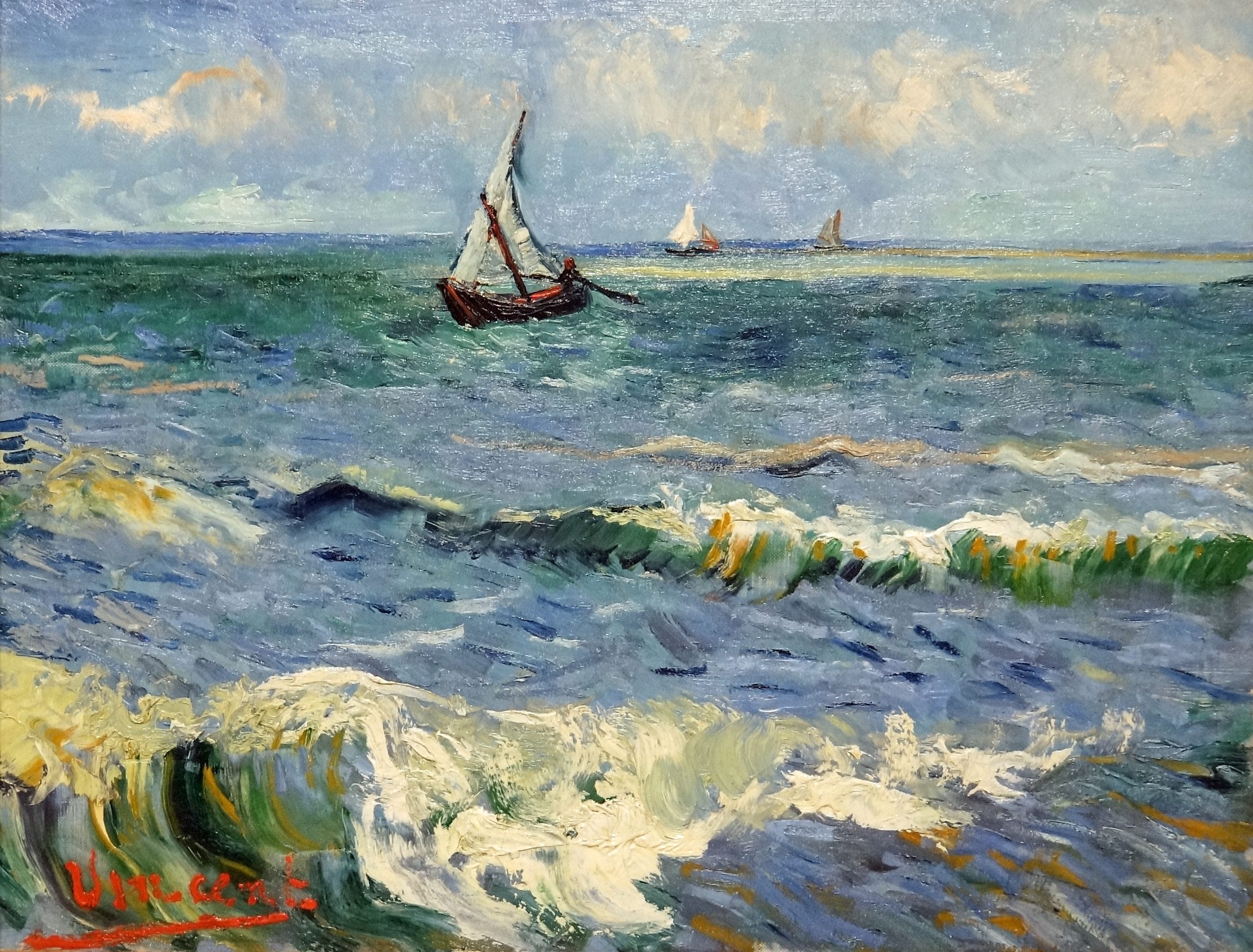
I have decided to decide something and that decision is that it’s time I remove some of the varnish on here. Or at least the constraints.
The dream of a new project arrives encased in amber, perfect and square-cut and untempered by any bounds of realism or sustainability. It rides on the kinesis of neuron firings swarming in one corner of the brain, all climbing over each other like wriggling puppies or hyperactive children. I began this newsletter with wild notions in my head of discipline and regularity and control. It all hinged on a self-imposed assignment to present a defined cultural topic and explore it through beginning, middle, and end, wrapped up in a tight and concise bow. The structure would afford me a metal frame to bend and shape and it would ensure consistency in the endeavor. In its undertaking I would become a new person. My apartment would be envied by Martha Stewart and my skin would be poreless.
Early in the summer of 2011, my mom allowed me to purchase Tina Fey’s Bossypants along with a pack of Ice Breakers Sours at the Calgary airport ahead of a five-hour flight back to Boston, and I spent those subsequent hours tearing through both. Fey was already a figure I’d come to turn to for humor, comfort and wisdom, a trusted window to the adult world, and it was there in 27F, under the full blast of the gasper vent above me and with about five Ice Breakers in my mouth, that I came to properly understand— and accept— the impossibility of perfection. As a recent graduate of the sixth grade I had admittedly never tried to juggle two toddlers, a marriage and a critical-darling network sitcom, but it was in Fey’s smeared-diaper recount of the trials of “having it all” that I came to understand the principle in its application to life’s design. Life will always move. There will never be enough time to do everything, let alone to step back and take stock and refine. We must muscle through and hope for the best. To pursue perfection, in fact, is to self-induce paralysis. This is something you hold onto as a neurotic twelve-year-old with obsessive-compulsive predispositions and anxiety over burgeoning homosexual urges.
It’s been months since my last entry, and if I began this newsletter to develop a larger body of work I should likely have more fruit to show for it. Success is more often enjoyed by the prolific than the perfectionist (is an overdressed way of saying I could stand to be less precious with my output).
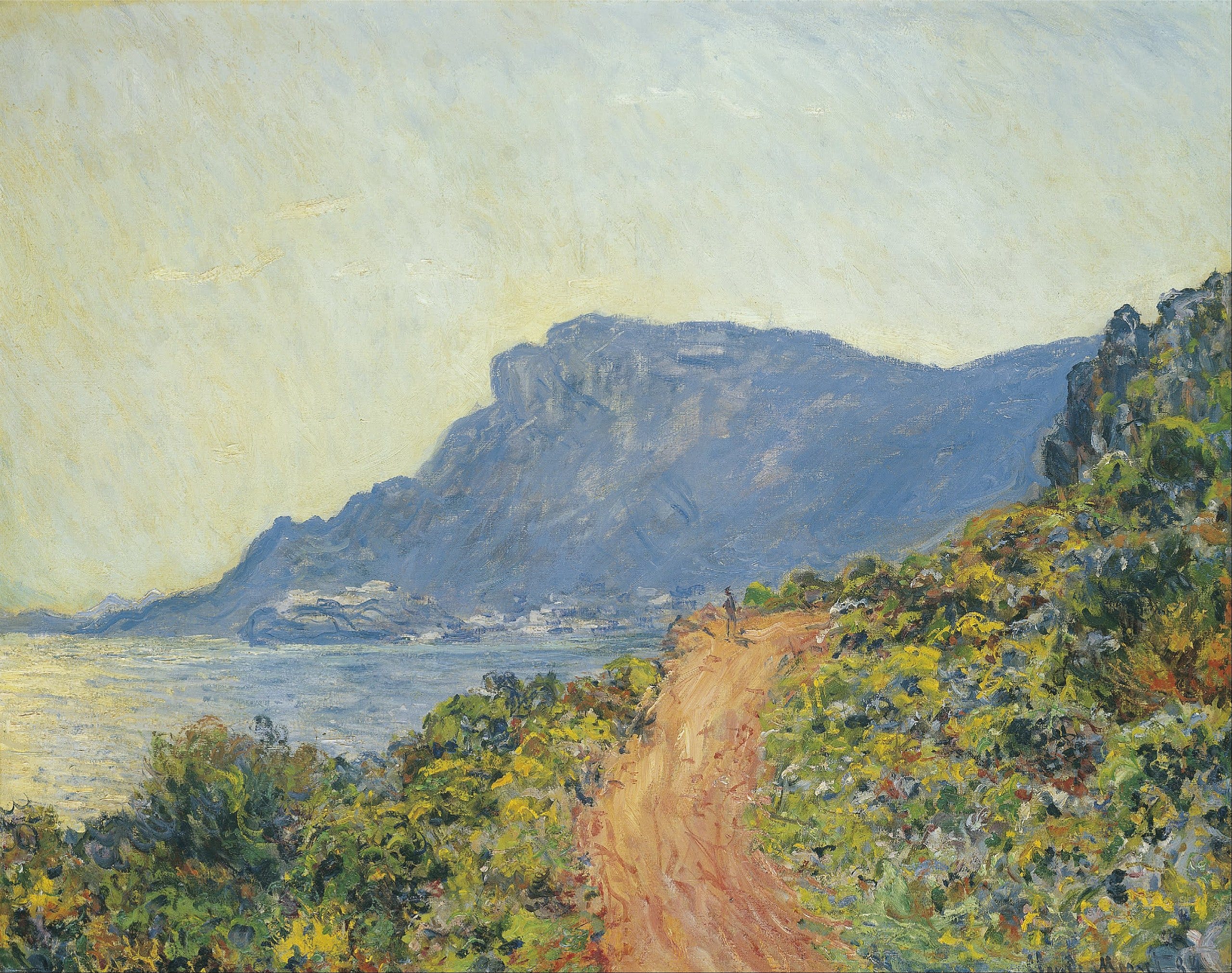
I’m here writing in my childhood home in early July, at summer’s height, having reached that specific euphoria of feeling like a marine creature who crawled out of the salted blue-and-green waves to stretch my limbs on a towel in the sun and walk the dogs along the causeway through the marsh and read on Adirondack chairs in the backyard. My hair has lightened and my skin has tanned and I feel interwoven with the landscape that raised me and which still contains a hum of romance I became attached to as a child. It’s here that I stop and wonder if sensory bliss makes for bad writing but I’m choosing to bypass that thought in service of cataloging this feeling, one which I am always chasing and which always eventually slips through my fingers no matter how in-charge I’d like to be of my own brain chemistry.
I’ve spent the last few months working on a fiction piece, my first substantial one. The story is weird and dark and fun to write, most of the time. In clumsily searching for an elevator pitch I like to call it my take on a pulpy airport thriller, though I can’t say it’s decided what it is yet. It meanders through Manhattan and eventually becomes a road story filled with druggy cynicism and bone-deep anxiety and all kinds of American rot. It’s made me wonder why it is that many of my creative impulses seem to come from one dark current or another: I’ll wander into one and suddenly things are there, in front of me, to tinker with and stack like Legos. Part of this is surely a means of bypassing vulnerability. Cynicism and satire allow for creation without shedding armor. In the end, though, rolling around in darker themes feels like an exercise in control, a form of outsmarting fear. If I create something myself, and it exists outside of me, it can no longer become of me. I’m able to delineate my values by expressing their inverse.
I’ll admit, tentatively, that writing first-person fiction can occasionally feel like method acting. You attempt to view the world through a new lens, always looking for details and observations to distort into the voice of the piece. At first it’s fun to step into a darker persona; it becomes a fantasy, the creation of a shadow self. But it’s hard to write at length from an antisocial perspective and not worry that you are somehow absorbing it. I wrote my undergrad thesis, my first screenplay, about a sociopath teenage influencer staging hate crimes against himself in a makeshift campaign for Ivy League admission and national attention. With the characteristically modest ambition of a college senior, I wanted to harness the language of coming-of-age teen comedies and suburban potboiler mysteries and distort them into a piece on white narcissism and performative activism and the main character syndrome instilled in teenagers by a media-saturated landscape. The idea was born from pandemic-era cynicism, and it all made for a dark, dark comedy, but the “wink” was that there was no wink, and I willed myself to write it with minimal sense of remove. Our first drafts were due at the end of winter vacation, and I remember a near-deadline breaking point where, vibrating from overcaffeination, I was forced to close the laptop, float up to the attic, and teach myself Stevie Nicks’ “Has Anyone Ever Written Anything For You” on piano to prove to myself I was still capable of emoting.
-
I’m riding the Amtrak and gliding over waters between Pawcatuck and New London; I see the sailboats scattered along the coastline and the shingled homes aged by the rolling New England seasons and the Orient Point and Block Island ferries carting passengers and their cars down across the sound. Everything is drenched in sun. Today is New York City’s hottest-ever July 25th, as relayed by my father, though Essex remains six degrees under its peak for this date. Amtrak customers received warnings of potential delays from the heat but the train car is freezing and I’m shivering in a pullover. I’m returning to the city from my second trip to the North Shore this summer and feel marred by a vague breath of melancholy I can only attribute to that odd turn the summer seems to take after the hump of mid-July. It is unclear whether “Let Down” by Radiohead is helping or hurting the situation but the propulsion of the arrangement seems to at least add some movement and ripple within the malaise.
I was back up in Essex to see visiting family but can’t help but feel greedy having returned so soon after my initial trip earlier in the month, as if I was sneakily trying to recreate the bliss the first excursion created. The weather was gorgeous but the ocean felt pale and pattered indifferently. “It is the nature of things to be seen only once” — my friend and I agreed on this John Ashbery truism while sitting on a riverbank in Florence two years ago. We shook on it like businessmen and repeated it to each other in a chiding, grandmotherly tone across the rest of our journey through Central Europe.
Closer to New Haven the Amtrak is encroached on by a purple thundercloud and I’m almost grateful. This is the natural ebb and flow of things. Happiness is fleeting, happiness is a butterfly, nothing lasts forever, nothing gold can stay, etc. The pendulum can only swing. Motion is the only constant.
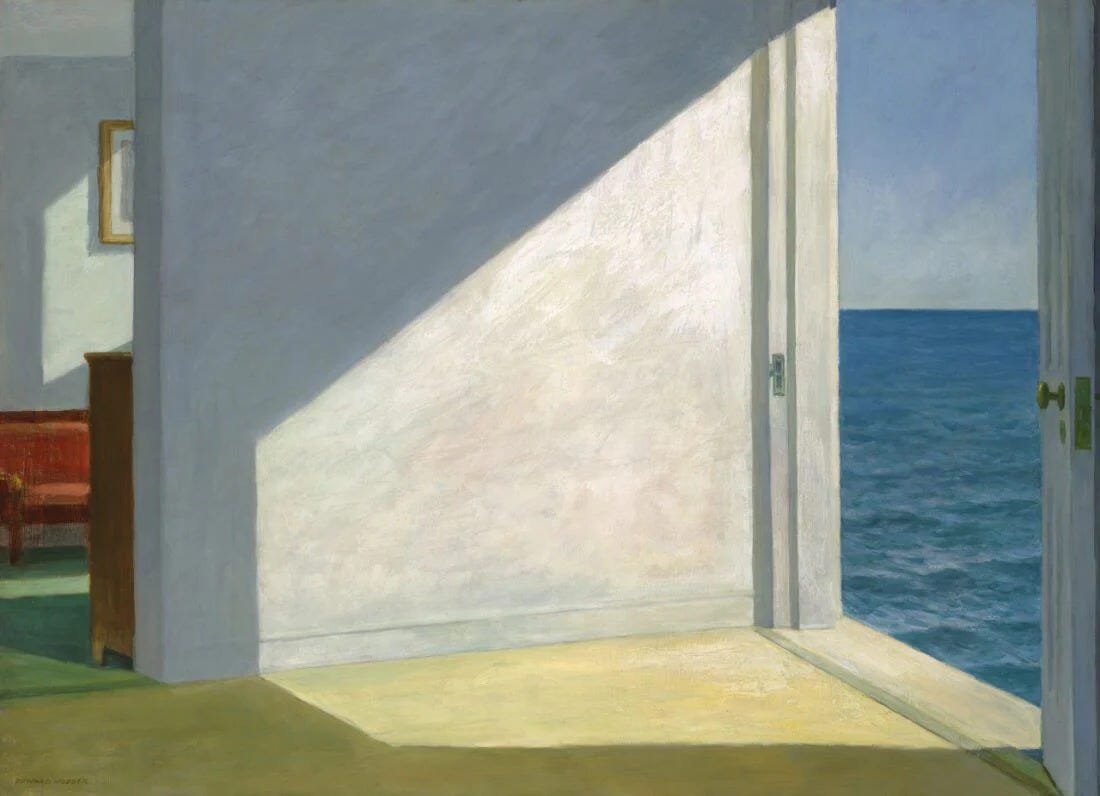
I love Slowdive. I love listening to Slowdive at airports and on airplanes and really during any period of above-ground transit (it is difficult to find romance in a muggy Q train stopped between DeKalb and Atlantic-Barclays). Their music seems to exist both within swells of experience and at removed points of reflection, between life and its shadow. A few of the albums have become seasonal: 1993’s Souvlaki is late-November through to March, freezing fingers holding cigarettes on fire escapes and a pale mid-winter sun cast across a dingy apartment, a radiator blasting in the corner. Then the baton is passed to their 2017 self-titled return, fluorescent and sun-washed; it carries through the spring to the end of summer, where the guard changes to 2023’s everything is alive somewhere in the aftermath of Labor Day, when fall’s tendrils start to wrap around the ankles.
Halfway through that aforementioned trip through Central Europe, early in the spring of 2023, my friend and I arrived in Vienna after a misted stint in Salzburg. I was craving some nightlife after being swallowed up in the Alps, but it was Easter Monday, far more widely observed in the area than we had anticipated, and most of the bars were closed. We settled on a small one near the Kettenbrückengasse station. It was completely empty, and she and I stayed only for one gimlet, but in that time I was struck by a very handsome bartender. Two nights later, after an hourlong attempt to find a hidden club we’d heard about along the Donaukanal, my friend expired and went back to the hostel. I took the U-Bahn back to Kettenbrückengasse; he was there behind the bar.
We talked; we did a few shots; we talked more. I was entranced by the softness in his eyes and the tattoo on his upper right arm of one of the paper spirits from Spirited Away. After his shift ended we went to a few other bars and wandered the streets and ended up spending the rest of the night together. I was due on an early train the next morning, and as I looked out at the Czech countryside rolling by, having slept about an hour, I felt I’d been hit over the head. I could not shake what had washed over me. In early adulthood the world often still feels impossibly vast and a connection feels like a raft in the ocean (for lack of a more original image).
My friend and I moved through further wonders in Prague and Berlin. The trip’s aesthetics quickly turned Gothic; the weather turned cold and the architecture turned God-fearing. The night of our arrival in Berlin we purchased used, four-euro black hoodies and stone-faced our way into Berghain. We looked like warped and tired orphans, and as the bouncer eventually waved us in, we silently dug our nails into each other’s palms. I woke up the next afternoon to a message: it was the bartender, asking if I would come back and stay with him after our journey was through.
On our final morning my friend and I checked out of our hostel in Friedrichshain and I took the U-Bahn to Hauptbahnhof for the eight-hour train back down to Vienna. It was mid-April now and spring had arrived in full. The action felt similarly greedy, an attempt to extend the magic my friend and I had already experienced over the course of our pilgrimage, which had already pulled me out of what felt like a months-long depressive spell. But I was pulled by the promise of experience. It is the nature of things to be seen only once, true, but here I would be seeing something entirely new. Slowdive played in my ears as I sped across the countryside.
He picked me up at the station, and over the next six days we quickly fell into a rhythm. Each day we’d explore the city (one afternoon he waited patiently in the park as I filed my taxes on my phone), and once he left for his shift around five-thirty I’d sit in Volksgarten with the ducks and write in my journal and walk along the canal and eventually find myself dinner before meeting him at the bar to keep him company. It was in these moments alone that I would pull back and observe my position, the sheet of iridescent glimmer that had been cast over a well-rained landscape. I went to Prater alone and rode the swings and felt lifted under the hand of my own life. I listened to The Cranberries and Silver Jews and, of course, Slowdive. Still, in the opening drums of “Don’t Know Why,” I see that train from Berlin careening through the rain across the green and think of the urgent and curious nature of encounter. It’s hard to tell whether there is any spectrum at all of how “alive” you can truly be, but in the well of all of it, I felt the gasp of being hoisted into the air. I sat at the end of the bar and watched him work and wondered what life would be without these feelings passing in and out.
In the last few days the sun had burst through over the city again, and at various points in our outings a jet would fly overhead and I’d glance up at it, briefly, and feel a pang in the reminder both of how far from home I was and of what would be coming soon. We spent the final morning outside a cafe near his apartment, stopping in conversational lulls to stare at each other in silence. There was no strangeness in it, no uncertainty, just an appreciation. In the global digital age no one is ever lost forever, but it was clear that something had both started and ended in a very short period of time. That afternoon I sat at my gate and the sun continued to pour in, washing everything out. I wrapped the weight in my chest in a blanket and carried it with me onto the plane, a reminder of something I saw once.
so beautiful Fritz! Really loved this! <3
:)